
Separate conformability from extension
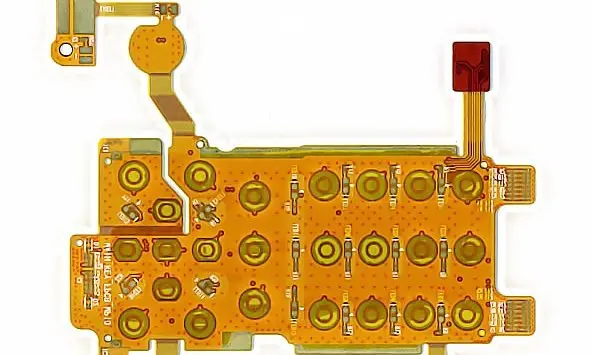
Sketch the wearable’s deformation and identify fixed component islands, moving links and attachment points. Measure the change in distance between mounts as well as curvature. Review electronic-textile integration if a garment or elastic carrier moves more than the circuit’s intended route can accommodate.
Wearable sensor requirements
| Requirement | Measure or describe | Design response |
|---|---|---|
| Body movement | Mount displacement and bend path | Decouple or accommodate motion |
| Measurement location | Position and orientation tolerance | Stable local support |
| Reuse and cleaning | Removal and exposure procedure | Defined protection and service boundary |
Maintain sensing location and strain relief
A sensor may need a stable position while the surrounding product moves. Define the locating feature, allowed displacement and acceptable contact condition with the product engineer. Use strain relief to separate the sensor’s measurement interface from loads entering through cables, connectors or adhesive boundaries.
State whether the electronics are disposable, reusable or removable before cleaning. That choice changes the interconnect boundary and the required service procedure. Identify every exposed conductor and protection layer; do not infer user-contact suitability from a general material-family name.
Test the attachment system with the circuit
A useful prototype includes the actual carrier, attachment method, component mass and connector route. Define movement, exposure and removal conditions representative of the intended use. Check both electrical continuity and the sensor function that matters to the product. If performance depends on placement pressure or orientation, preserve those conditions in the test record.
Before you release the design
- Distinguish circuit bending from carrier stretching.
- Dimension sensor location from the actual attachment system.
- State cleaning and reuse assumptions.
- Verify function during representative movement and attachment.
Watch points
- Testing an unattached ribbon can miss the loads introduced by adhesive edges, garments or sensor mass.
Practical questions
Is ordinary polyimide flex stretchable?
Do not assume a standard circuit can extend with an elastic carrier. Define the required deformation and review a suitable geometry and architecture with the manufacturer.
Should a wearable sensor be permanently attached?
That depends on cleaning, replacement, sensing and handling requirements. Compare permanent and removable options at the complete product level.
Technical references
References support the material or design context. Check the exact grade, part number, document revision and project conditions before release.Updated 27 September 2026 · Technical content policy · Engineering guidance supports project review; the agreed drawing defines the build.