
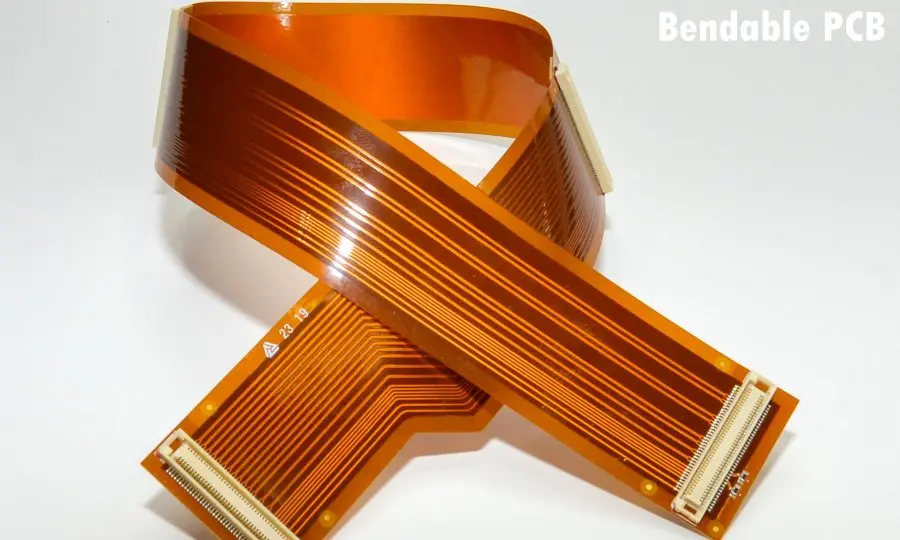
Choose the construction around the job
A simple interconnect may fit a single copper layer; dense routing, electrical references or component fan-out may require additional layers. The correct question is which functions need extra layers and where those layers must exist. Compare the routing problem with the actual moving region before choosing a stackup.
Use the stackup guide to describe each region separately. A reinforced connector tail, a moving ribbon and a populated end can have different finished thicknesses. An electrically inactive stiffener provides support; it does not automatically replace an interconnected rigid section.
Define scope before requesting a price
| Project condition | Decision to make | Evidence to request |
|---|---|---|
| Simple connection | One layer or routed crossings | Reviewed outline and netlist |
| Dense or populated design | Additional layers or rigid regions | Regional stackup and assembly review |
| Moving installation | Motion path and local construction | Representative bend-test plan |
| Repeat order | Release and change-control boundary | Revision, lot and test records |
Define the boundary of the manufacturing inquiry
State whether the request covers bare circuits, supplied components, component procurement, assembly, programming, functional testing or final packing. Each boundary changes the documents and decisions needed. A bare-board electrical test and an assembled product test answer different questions and should appear as separate line items.
The fabrication package checklist ties the outline, layer data, bend zones and material notes to one revision. For populated flex, add component positions, orientation, support requirements and an assembly drawing. Identify who approves engineering questions and substitutions.
Use the first build to close specific risks
A prototype should answer a defined question: does the tail mate, does the formed circuit fit, does the channel perform, or does the moving region survive the proposed test? Choose representative samples and fixtures for those questions. A flat visual inspection cannot establish behavior inside the final enclosure.
Before repeat production, freeze approved changes and record which measurements define acceptance. Keep material, test and drawing requirements aligned with the released build. Discuss unusual processes or tight tolerances explicitly; this guide does not declare factory capability, stock availability or a guaranteed manufacturing schedule.
Move from concept to a reviewable request
If your design is still open, send constraints and unresolved choices as a concept inquiry. If fabrication data is ready, send a controlled release with a file manifest and revision. Avoid mixing provisional CAD exports with approved drawings. Use the local quote brief builder to organize requirements before opening the external manufacturing inquiry.
Before you release the design
- Specify quantities for engineering samples and repeat builds separately.
- Mark local materials, thicknesses, bend regions and stiffeners.
- List critical interfaces, finish requirements and connector drawings.
- Define acceptance records, assembly scope and unresolved questions.
Watch points
- A manufacturing service name alone does not define an achievable process window or accepted construction.
Explore this topic
Practical questions
Can a concept drawing be used for an inquiry?
Yes. Label it as preliminary and include dimensions, interfaces, expected motion and quantities. Any estimate needs stated assumptions; a manufacturing release requires resolved construction and controlled files.
Does this page confirm a particular factory capability?
No. Numeric limits, material availability, process qualification and commercial terms must be confirmed for the specific project by the manufacturing inquiry recipient.
Technical references
References support the material or design context. Check the exact grade, part number, document revision and project conditions before release.Updated 27 September 2026 · Technical content policy · Engineering guidance supports project review; the agreed drawing defines the build.