
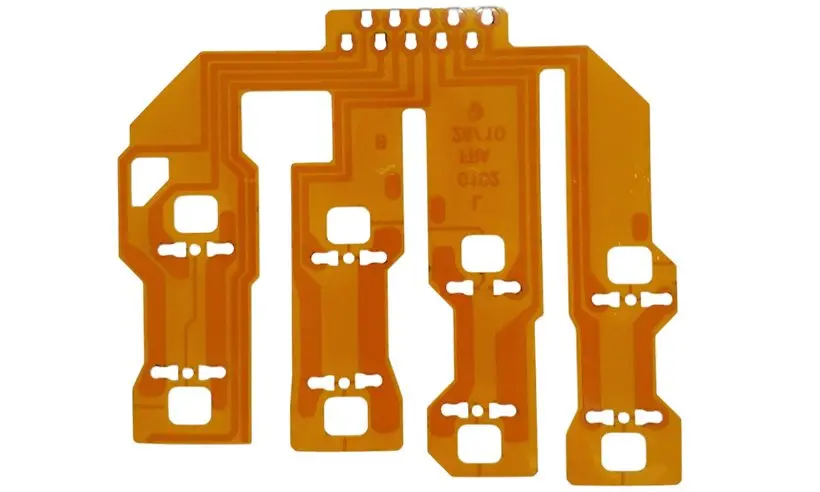
Reconcile the build with the drawing
Compare the final prototype records with every released file. Check material grades, local thickness, hole treatment, finish, coverlay, reinforcement and assembly substitutions. The fabrication package should describe the accepted article, including approved deviations, rather than the first CAD export used to request it.
Transfer package checkpoints
| Evidence | Release action | Owner question |
|---|---|---|
| Prototype deviations | Incorporate or formally reject them | Who approves the final stack? |
| Fit and test results | Define repeat acceptance checks | Who owns each limit? |
| Assembly observations | Release fixture and handling notes | Who verifies the production sequence? |
Transfer measurements as well as geometry
Identify dimensions and tests that predicted successful fit or function. State method, datum, condition and acceptance so another build can be assessed consistently. Use inspection planning to separate product-critical characteristics from cosmetic preferences.
Document handling and fixture details that influenced results. A prototype bent carefully by its designer may not represent routine assembly. Define the installation sequence, allowed tooling contact and any precautions needed to preserve the circuit before and after component assembly.
Create a controlled route for changes
Specify who approves material substitutions, panel changes, fixture changes and drawing revisions. Not every change requires the same investigation, but each should be assessed against relevant verification evidence. Begin repeat production with a reviewable build record and a clear process for reporting departures; do not let schedule pressure turn engineering questions into undocumented shop-floor assumptions.
Before you release the design
- Close every approved prototype deviation.
- Match revision identifiers across fabrication and assembly files.
- Document critical measurements and test conditions.
- Define substitution review and change-notification responsibilities.
Watch points
- A photograph of a working prototype cannot replace the construction and acceptance records needed to repeat it.
Practical questions
Must production use the exact prototype panel?
Not always. A changed panel may improve handling or utilization, but review its effect on assembly, orientation, tooling and the evidence already obtained.
What if a prototype passed with an undocumented substitution?
Resolve the substitution before release. Identify what was actually built, decide whether it is acceptable, and update the controlled package or repeat the relevant verification.
Technical references
References support the material or design context. Check the exact grade, part number, document revision and project conditions before release.Updated 27 September 2026 · Technical content policy · Engineering guidance supports project review; the agreed drawing defines the build.