
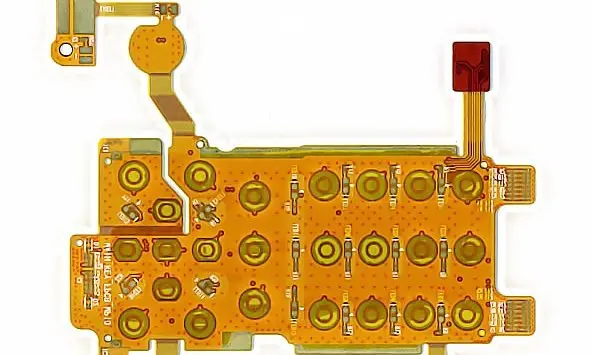
Identify fixed and service-moved sections
A control module may remain stationary in normal operation but move whenever a drawer opens or a unit is replaced. Record both conditions using the static and dynamic distinction. Include foreseeable service positions so that the ribbon is not stretched at the point where a technician needs access.
Automation equipment decisions
| Question | Input | Design consequence |
|---|---|---|
| What moves during service? | Removal and access envelope | Slack and protected routing |
| What is replaced? | Module boundary and connectors | Serviceable architecture |
| What is the environment? | Measured or specified conditions | Protection and verification scope |
Choose the module replacement boundary
Show which connectors can be disconnected independently and which circuits remain attached during removal. The flex versus wire-harness comparison helps assess routing density against repair flexibility. Standardized connections may be more useful than a tightly integrated circuit when modules change frequently.
List the actual exposure to vibration, contamination, temperature and nearby power switching. Define relevant signal and current requirements for each route. Avoid assigning a generic industrial rating; ask the equipment owner for conditions and required evidence that can be included in the manufacturing inquiry.
Build maintenance checks into verification
Trial a replacement using the intended tools and access limits. Inspect connector support, strain relief and clearance after the module is reinstalled. Agree electrical and functional checks that distinguish a damaged interconnect from a replaced module fault. Keep drawings, material records and replacement part identifiers synchronized across equipment revisions.
Before you release the design
- Include drawer opening and module removal positions.
- Define which parts remain connected during service.
- Specify actual environmental and electrical conditions.
- Trial replacement and post-service functional checks.
Watch points
- A compact route can obstruct servicing if the flex is the last hidden connection holding a module in place.
Practical questions
Is flex always preferable to a wire harness?
No. Compare packaging, assembly repeatability, signal needs, field repair and future module changes. The service architecture may be the deciding constraint.
Does occasional maintenance movement count?
Yes. It should be specified even when normal operation is static, because removal may impose different bends and loads from installation.
Technical references
References support the material or design context. Check the exact grade, part number, document revision and project conditions before release.Updated 27 September 2026 · Technical content policy · Engineering guidance supports project review; the agreed drawing defines the build.